Home / Articles
Laser Tattoo Removal and Skin Rejuvenation for Clearer, Healthier Skin
Home / Articles
Laser Tattoo Removal and Skin Rejuvenation for Clearer, Healthier Skin
Tattoos are a popular form of personal expression, but many individuals later seek tattoo removal due to lifestyle changes, professional considerations, fading ink, or dissatisfaction with the original design. Tattoo pigments are deposited deep within the dermis, making them permanent without medical intervention. As tattoo styles, preferences, and social norms evolve, tattoo removal has become a widely requested dermatologic procedure.
Modern tattoo removal relies primarily on advanced laser technology to selectively break down ink particles while preserving surrounding skin tissue. When performed by experienced dermatologists, laser tattoo removal can significantly reduce or eliminate unwanted tattoos with minimal risk and downtime.
Laser tattoo removal is a non-surgical procedure that uses high-energy laser pulses to fragment tattoo pigments. These fragmented particles are then gradually cleared by the body’s immune system. The effectiveness of removal depends on several factors, including ink color, tattoo depth, skin type, and the type of laser used.
At Dojagi Clinic in South Korea, dermatologic specialists utilize advanced laser platforms designed to target a wide range of tattoo pigments while minimizing thermal damage to the skin. Multiple sessions are typically required to achieve optimal results, with treatment intervals allowing the skin to heal and the immune system to clear ink particles.
Tattoo removal is suitable for most healthy individuals who wish to reduce or eliminate unwanted tattoos. Ideal candidates include:
Individuals dissatisfied with tattoo appearance or placement
Patients experiencing allergic reactions or complications from tattoo pigments
Professionals seeking tattoo removal for workplace requirements
Patients with stable skin health and no active infections in the treatment area
However, certain conditions may require caution or medical evaluation before treatment. These include pregnancy, active skin infections, keloid-prone skin, and certain autoimmune or dermatologic disorders. A thorough consultation with a qualified dermatologist is essential to determine individualized treatment suitability.
The process begins with a detailed dermatologic evaluation. The physician assesses tattoo characteristics, skin type, medical history, and patient expectations. This step is crucial for developing a personalized treatment plan and setting realistic outcomes.
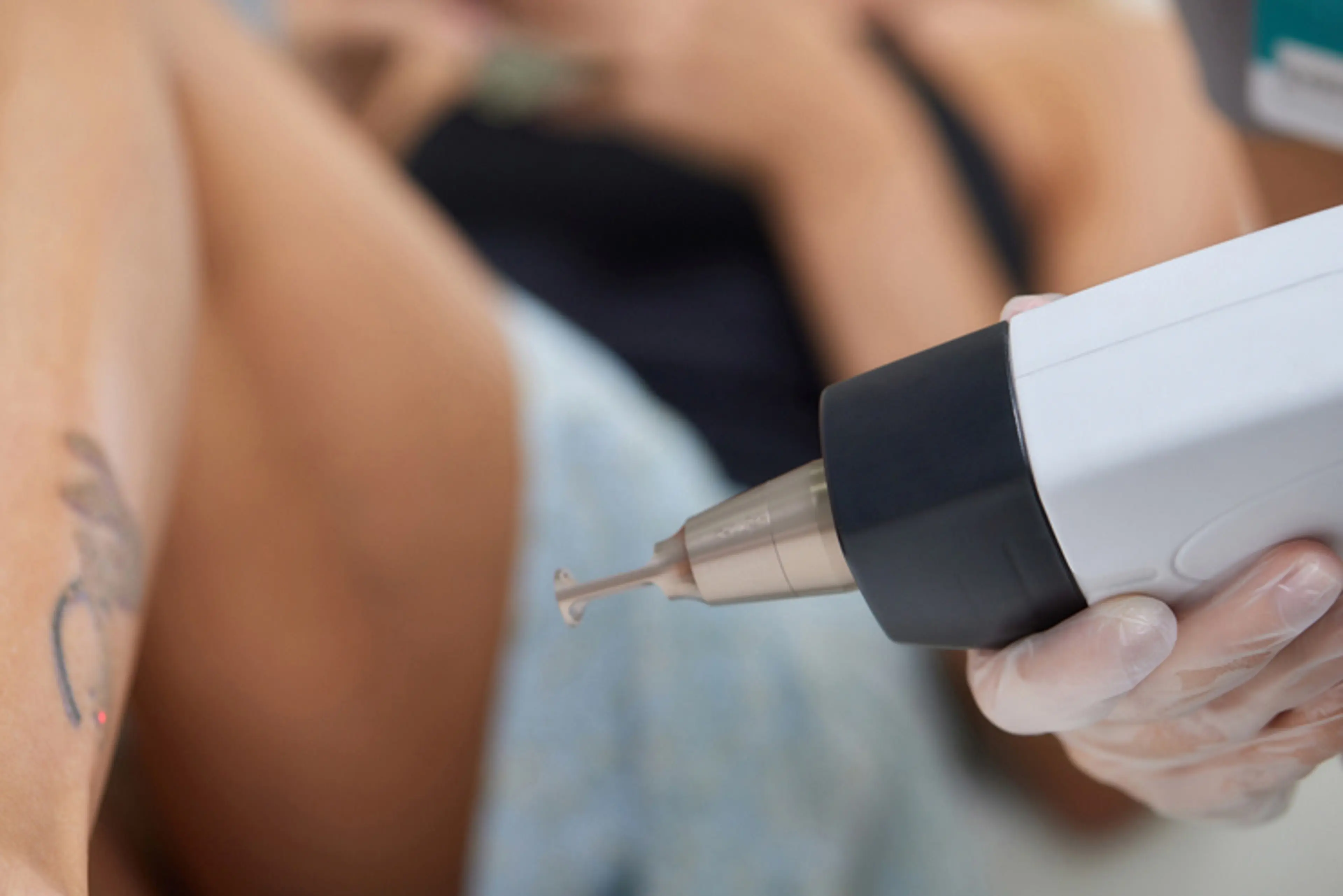
During each session, a specialized laser device delivers short pulses of high-intensity light to the tattooed area. These pulses selectively target ink particles without damaging surrounding tissue. Patients may experience mild discomfort similar to a snapping sensation on the skin. Topical anesthetic creams or cooling systems are often used to enhance comfort.
After the session, the treated area may appear red or swollen. Patients are advised to keep the area clean, apply prescribed topical agents, avoid sun exposure, and refrain from scratching or picking the skin. Healing typically occurs within one to two weeks.
Multiple sessions spaced several weeks apart are required for optimal tattoo removal. The total number of sessions varies depending on tattoo characteristics and individual response to treatment.
These physicians specialize in medical and aesthetic dermatology, with clinical experience in laser-based skin treatments, pigment disorders, and advanced dermatologic procedures. Their approach emphasizes accurate diagnosis, customized laser parameters, and patient-centered care to achieve safe and effective tattoo removal outcomes.
Dojagi Clinic utilizes state-of-the-art laser systems designed for pigment-targeted treatment. These systems allow precise wavelength selection to address various ink colors while minimizing damage to surrounding skin structures.
Each tattoo removal plan is tailored to the patient’s tattoo characteristics and skin type. Individualized protocols improve treatment efficiency and reduce the risk of complications.
All procedures are performed under the supervision of qualified dermatologists, ensuring medical safety and adherence to evidence-based treatment standards.
The clinic provides pre- and post-treatment skin care guidance, including topical medications and skincare recommendations to promote healing and minimize side effects.
Patients receive clear explanations of the procedure, expected outcomes, and potential risks, enabling informed decision-making and realistic expectations.
Laser tattoo removal is generally safe when performed by trained dermatologists using appropriate equipment. Common temporary side effects include redness, swelling, blistering, or crusting at the treatment site. These effects typically resolve within days to weeks with proper care.
To minimize risks, patients should follow post-treatment instructions, avoid sun exposure, and attend scheduled follow-up visits.
Tattoo removal is a gradual process that requires patience. Complete removal is not guaranteed for all tattoos, and outcomes vary depending on ink type, tattoo depth, and individual skin response. Most patients experience significant fading over multiple sessions, with progressive improvement over time.
It is important to understand that tattoo removal does not provide instant results. The body’s immune system plays a key role in clearing fragmented pigment, and visible fading may continue for weeks after each session.
Tattoo removal is a medically established dermatologic procedure that offers individuals an opportunity to reduce or eliminate unwanted tattoos safely and effectively. With advances in laser technology and dermatologist-guided protocols, modern tattoo removal can achieve substantial aesthetic improvement with minimal downtime.
At Dojagi Clinic in South Korea, experienced dermatology specialists provide personalized tattoo removal treatment based on clinical evaluation, advanced laser platforms, and evidence-based dermatologic care. Through careful assessment, precise laser application, and comprehensive aftercare, patients can achieve safer outcomes and improved satisfaction.
For individuals considering tattoo removal, a professional consultation with a qualified dermatologist is essential to determine candidacy, understand realistic outcomes, and develop a tailored treatment plan.